
Published 26 June 2026. Analysis by Jacob Whitmore. Free to cite with attribution.
The main grant that helps disabled and older people adapt their homes has been capped at £30,000 in England since 2008. We set the Disabled Facilities Grant against what adaptations actually cost in 2026 to show where the funding works, where it falls short, and how the limits and waits differ across the UK.
Six things our analysis found
- The grant ceiling has not moved in 17 years. The £30,000 maximum in England has been frozen since 2008. Had it tracked inflation it would be worth roughly £48,000 today.
- The average grant is a quarter of the cap. The average Disabled Facilities Grant paid is £7,536, about 25% of the £30,000 limit, because most awards cover smaller jobs such as a stairlift or ramp.
- Complex adaptations break through the cap. The average high-value adaptation costs £46,000 for an adult and £58,000 for a child, which is £16,000 to £28,000 above the English ceiling.
- Nearly 59,000 homes are adapted each year. England awarded 58,606 grants in 2023/24, supported by £711m of annual funding in 2024/25 and 2025/26.
- The limits differ around the UK. The maximum is £30,000 in England, £36,000 in Wales and £25,000 in Northern Ireland. Scotland runs a separate Scheme of Assistance rather than a fixed-cap grant.
- Waits often run past a year. Councils must decide within six months of a valid application, but the full journey from first contact to finished work commonly takes 12 months or more.
What home adaptations cost in 2026
The grant covers a wide range of work. Smaller adaptations sit comfortably inside the cap, but a through-floor lift or a full wheelchair-accessible wet room can use most or all of it on its own.
| Adaptation | Typical installed cost |
|---|---|
| Ramp (wheelchair access) | £1,350 to £4,000 |
| Straight stairlift | £1,500 to £3,500 |
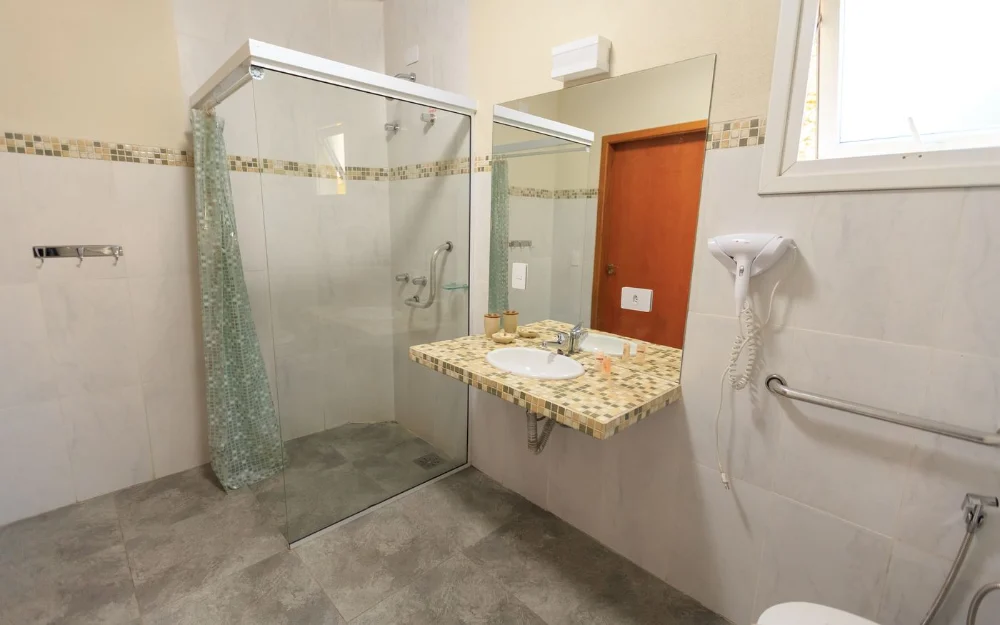
| Level-access shower / wet room | £2,000 to £9,000 |
| Doorway widening | £2,000 to £8,000 |
| Through-floor lift | £20,000 to £35,000 |
The grant against the need
The chart compares the average grant paid and the English cap with what a complex adaptation actually costs.
Where the gap leaves families
For most people the grant works as intended, since a typical award of a stairlift, a ramp or a level-access shower fits inside the limit. The strain falls on the minority who need major work. When an adaptation costs more than the cap, the household has to find the difference, often at a point of crisis after a hospital discharge. Councils can sometimes top up with discretionary assistance, and charitable grants exist, but neither is guaranteed. Combined with waits that frequently exceed a year, the result is that the people with the greatest need face both the longest delays and the largest shortfalls.
Cite this study
This research is free to reproduce for editorial and educational use, with a credit and link to lookinto.co.uk. Suggested citation:
lookinto.co.uk Research (2026), UK Home Adaptation Cost Report 2026. https://lookinto.co.uk/mobility/uk-home-adaptation-cost-report/
Journalists and researchers: figures may be quoted directly. Contact us through the site for the underlying data.
Methodology and sources
This report sets official grant data against current market costs for adaptations. The figures are sourced below, and the ratios and the inflation estimate were calculated by lookinto.co.uk Research.
- Grant cap, average grant value, number of grants and funding: Foundations (the national body for home improvement agencies) and the House of Commons Library briefing on Disabled Facilities Grants.
- High-value adaptation averages (£46,000 adult, £58,000 child): government review evidence cited by Foundations.
- Devolved limits and the legal six-month decision duty: GOV.UK, GOV.WALES and NI Direct.
- Inflation estimate: £30,000 in 2008 expressed in 2025 prices using ONS CPI, rounded.
- Adaptation costs: market pricing for ramps, stairlifts, wet rooms, doorway widening and through-floor lifts.
Costs are typical ranges and vary by property, specification and region. This page is general information, not financial or legal advice. Last updated 26 June 2026.
Frequently asked questions
- How much is the Disabled Facilities Grant in 2026?
- The maximum is £30,000 in England, £36,000 in Wales and £25,000 in Northern Ireland. Scotland uses a separate Scheme of Assistance. The English cap has not changed since 2008.
- What is the average Disabled Facilities Grant?
- About £7,536, roughly a quarter of the £30,000 English cap, because most grants pay for smaller adaptations such as a stairlift or ramp.
- What does a home adaptation cost?
- A ramp runs from about £1,350, a straight stairlift £1,500 to £3,500, a level-access wet room £2,000 to £9,000, and a through-floor lift £20,000 to £35,000.
- How long does a Disabled Facilities Grant take?
- Councils must decide within six months of a valid application, but the full process from first contact to completed work often takes 12 months or more.
- What happens if an adaptation costs more than the grant?
- The household has to fund the shortfall. Councils may offer discretionary top-ups and charities can sometimes help, but neither is guaranteed. The average high-value adaptation, at £46,000 for an adult, is well above the £30,000 English cap.
Sources: Foundations DFG performance data; House of Commons Library: Disabled Facilities Grants; GOV.UK Disabled Facilities Grants.