
Disabled Facilities Grant 2026 · Published 21 June 2026 · By Jacob Whitmore · Reviewed twice a year. How we research.
The Disabled Facilities Grant (DFG) is the main public funding for home adaptations in the UK, from a grab rail or ramp to a stairlift, walk-in bath or full bathroom conversion. This page brings the current limits, funding and delivery figures into one independent reference, with our own read on what the numbers mean for someone applying in 2026. It is a guide, not financial advice; your council decides each application.
Key facts (2026)
- The maximum grant is £30,000 in England, £36,000 in Wales and £35,000 in Northern Ireland, the figure the Housing Executive gives (GOV.UK still shows £25,000). Scotland uses a separate Scheme of Assistance.
- England's DFG budget for 2026/27 is £723 million, paid through the Better Care Fund.
- 58,606 grants were completed in England in 2023/24, the most recent full year of data.
- The average award is about £7,536, which is roughly a quarter of the £30,000 cap.
- The first £6,000 of savings is ignored in the means test, and grants for a child under 18 are not means-tested at all.
Grant limits by nation
| Nation | Maximum grant | Scheme |
|---|---|---|
| England | £30,000 | Disabled Facilities Grant |
| Wales | £36,000 | Disabled Facilities Grant |
| Northern Ireland | £35,000 | Disabled Facilities Grant |
| Scotland | Varies | Scheme of Assistance (at least 80% of eligible costs) |
The DFG in numbers (England)
| Measure | Figure |
|---|---|
| Budget, 2026/27 | £723 million |
| Grants completed, 2023/24 | 58,606 |
| Average award | = £7,536 |
| Maximum grant | £30,000 |
| Statutory time to decide an application | 6 months |
LookInto analysis: the average award of about £7,536 is only a quarter of the £30,000 cap, so most adaptations are modest, such as a stairlift, a ramp or a level-access shower rather than a major rebuild. At that average, the £723 million budget is enough to fund roughly 96,000 adaptations a year, against the 58,606 completed in 2023/24.
What the grant can pay for
A DFG covers work that helps a disabled person live safely and independently at home. Common adaptations include:
- Stairlifts and through-floor lifts
- Level-access (walk-in) showers and walk-in baths
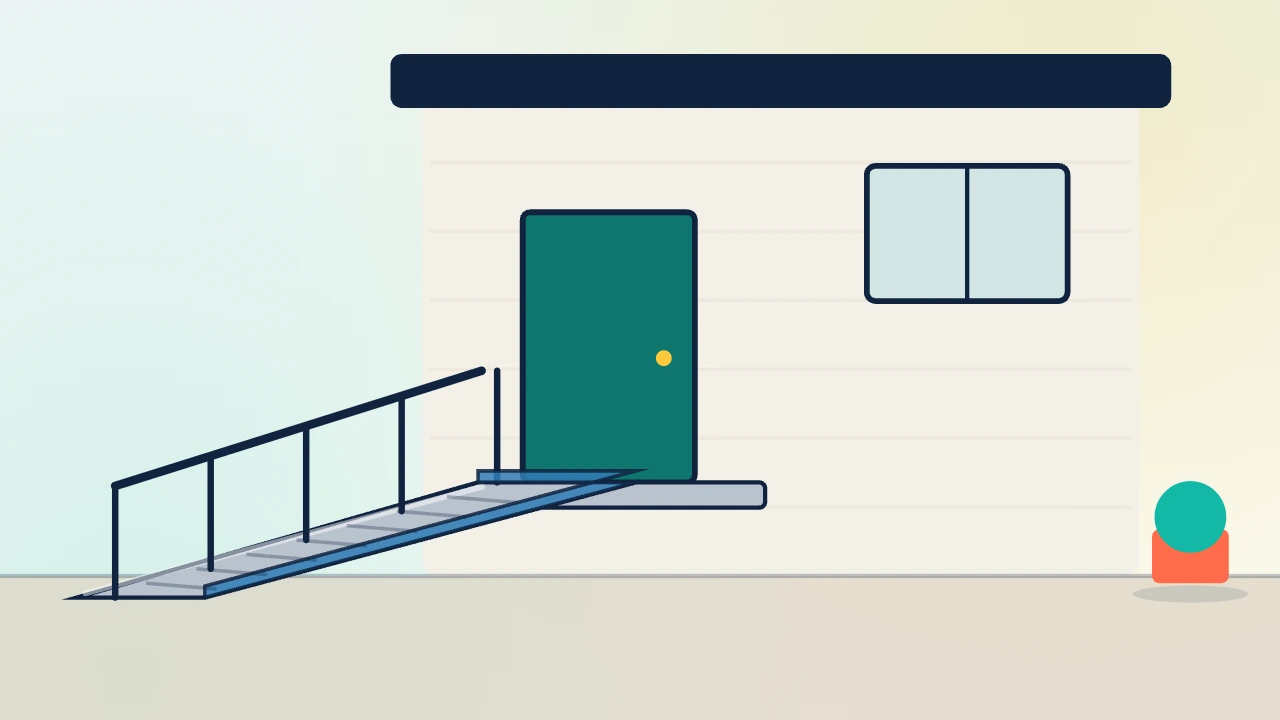
- Ramps, widened doorways and improved access to the property
- Grab rails, handrails and bathroom adaptations
- Changes to heating or lighting controls to make them easier to use
- Adaptations to help a carer move around the home safely
Who can get it, and the means test
You can apply whether you own your home or rent it, as long as the adaptation is needed for a disabled occupant and is reasonable and practical for the property. An occupational therapist usually assesses what is needed.
For adults the grant is means-tested on the income and savings of the disabled person and their partner. The first £6,000 of savings is ignored. If household income is below the assessed threshold, the full grant is paid; above it, you may need to contribute. Grants for a child under 18 are not means-tested.
How long it takes
Councils have a statutory duty to decide a formal application within six months. In practice the full journey is usually longer, because the clock does not include the wait for an occupational therapist assessment, getting quotes, or any planning permission. A DFG suits planned adaptations rather than urgent needs, so it is worth starting early.
How to apply
- Contact your local council's adult social care or housing team and ask for a home adaptations or DFG assessment.
- An occupational therapist visits, assesses your needs and recommends suitable adaptations.
- You submit a formal application with quotes; the council means-tests it (adults) and decides.
- Once approved, the work is arranged and carried out, then signed off.
Methodology and sources
Grant maxima and the statutory timescale are from GOV.UK and the House of Commons Library briefing on disabled facilities grants. The England budget, grants-completed total and average award are from MHCLG funding announcements and Foundations, the national body for DFGs and home improvement agencies. The "roughly 96,000 adaptations" figure is LookInto's own calculation, dividing the 2026/27 budget by the average award, and is illustrative rather than a forecast.
How to cite this page: "LookInto Disabled Facilities Grant 2026, lookinto.co.uk" with a link to this page. Journalists and researchers are welcome to quote these figures with attribution.
References
- GOV.UK: Disabled Facilities Grants (overview and eligibility)
- House of Commons Library: disabled facilities grants for home adaptations
- Foundations: DFG allocations and delivery performance
- MHCLG: Better Care Fund and DFG funding announcements
Adaptations a DFG can fund
If you are weighing up an adaptation, our cost research shows what to expect before you apply.
UK Stairlift Price Index → UK Walk-in Bath Cost Report →
More from LookInto: stairlift guides, walk-in bath guides and care at home.
A DFG can also fund a through-floor home lift. To compare models and costs, see UK Home Lifts.
DFG: common questions
Do I have to pay a DFG back?
Only if you own the home, the grant was over £5,000, and you sell within 10 years of the work finishing. The council places a charge on the property and can reclaim the portion above £5,000, capped at £10,000, and it must consider your circumstances before asking. Grants of £5,000 or less carry no repayment condition.
Can I get a DFG more than once?
Yes. There is no lifetime limit. Each application is assessed on current needs, and the cap applies per application, not per person. A new need (or a house move) can justify a new grant.
Can private renters apply?
Yes, with the landlord's permission. The landlord usually signs the application alongside you. Council and housing association tenants should ask their landlord first, as some fund adaptations themselves.
Do councils ever pay more than the cap?
Some do. Councils in England have discretionary powers to top up beyond £30,000 where the schedule of works costs more. Ask your council's home improvement or grants team whether a discretionary top-up policy exists. It varies by area.