
Research Desk · New series · Updated after every hot spell
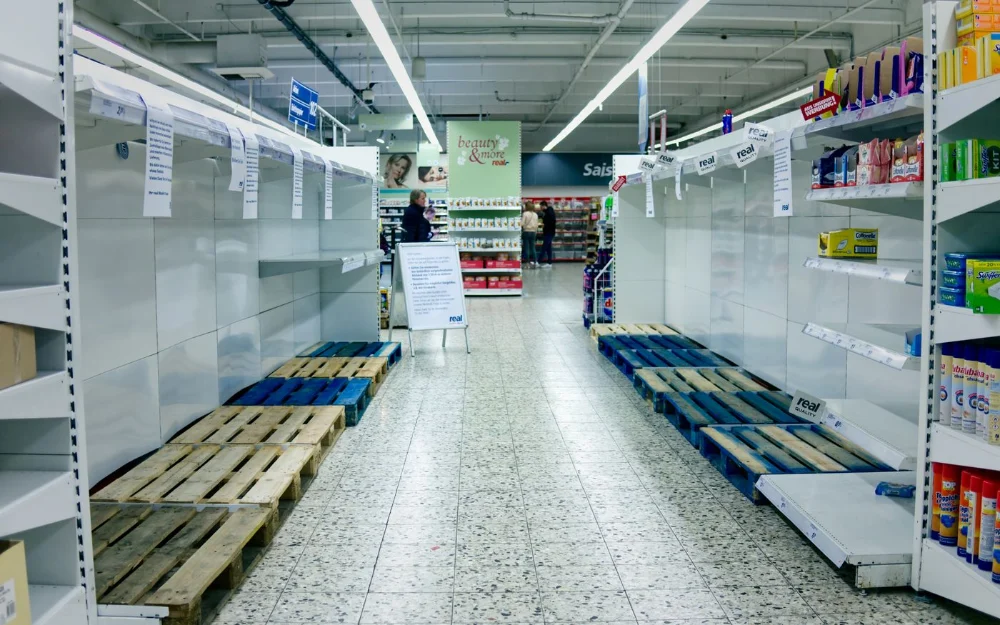
Some products vanish within hours of a heat warning while others sit on the shelf all summer. Because we already check stock on everything we recommend on the day we publish, we have started keeping a log. This first edition of the Sellout Index covers what sold out during the June and July 2026 heatwaves, how quickly, and what that means for when to buy.
The summer Britain ran out of fans
2026 is the first year on record in which 35°C has been reached in May, June and July. Retail demand has followed the thermometer. Fan sales reportedly rose 3,000% over a single weekend, portable air conditioner sales were up around 330%, and requests for domestic air conditioning installation ran roughly 320% higher than the same period last year, the highest figure yet recorded. Currys described supplies as “pretty tight”, with a global chip shortage limiting how quickly stock can be rebuilt.
The phrase “everything sold out” turns out to be wrong, though. Some products were gone before lunch on the first hot day while others never ran out at all, and the difference between them is what this index measures.
The Index: launch edition
Ranked by how fast stock disappeared once the heat warning landed. Speed ratings are based on our own publish-day stock checks plus verified retail reporting from the June and July hot spells. From next week we move to a daily 9am stock log, described in the methodology below.
| Rank | Product | Sellout speed | What happened |
|---|---|---|---|
| 1 | Lidl Tronic 3-in-1 air conditioner (£149) | Gone in hours | Queues were reported outside stores and stock cleared the day it landed. It was the cheapest working air con in Britain at the time. |
| 2 | Big-brand portable air con (Meaco, De’Longhi) | Gone brand-wide | The most popular models sold out across UK retailers rather than at individual shops. What remained was marketplace stock at marketplace prices. |
| 3 | Family paddling pools & splash pads | Gone by midweek | The first Amazon category to empty once forecasts pass 28°C. Our own checks found pools selling out midweek, before the hot weekend arrived. |
| 4 | Fans (all types) | Patchy within days | A 3,000% sales spike emptied the popular models. Stock returned in short, unannounced restock windows, sometimes open for barely an hour. |
| 5 | Ice makers & cool boxes | Thinned over the week | Didn’t vanish, but choice narrowed fast as budget models went first, leaving mid-price stock. |
| 6 | Larger portable AC (e.g. DREO 12,000 BTU) | Stayed in stock | Bigger, pricier units stayed orderable throughout the rush while cheaper ones disappeared. |
| 7 | Cooling bedding & mattress toppers | Stayed in stock | Demand rose but supply held. A reliable buy mid-heatwave if air con has gone. |
Sources: our publish-day stock checks (w/c 6 and 13 July 2026) plus retail reporting of the June and July 2026 heatwaves. Sales-spike figures are retailer-reported and rounded.
What the pattern tells you
The clearest lesson in the launch data is that price is the accelerant. The cheapest credible option in any category goes first: the £149 Lidl unit, the budget fans, the £8 paddling pool. Shoppers on the tightest budgets therefore have the least time.
Timing matters more than most people realise, too. Stock empties when the Met Office warning lands, days before the peak heat, so anyone shopping on the hot Saturday itself is choosing from leftovers. And once everything under £300 has gone, the £450 unit showing “in stock now” starts to look sensible. Occasionally it is. More often, waiting 48 hours for a restock window beats paying the availability premium.
How the Index works from here
We already check stock on every product in every guide on the day it publishes. From this week we are extending that: a fixed basket of 30 trending products, checked at 9am daily whenever a Met Office heat health alert is in force, logging in-stock status and delivery date at each check. That gives us a hard days-to-sellout number per product per heat event, plus a restock log, which as far as we know nobody else publishes. The next edition reports the first full event measured this way.
When to buy: the practical takeaway
The practical advice is simple: buy cooling products when the forecast is boring. Every mechanism described in this report works against the person shopping on the hot day itself. Our early estimate of how long you have once the first warning lands is under 48 hours for anything below £150, and we’ll refine that figure with each measured heat event.
Sources for this edition
Met Office heatwave reporting, July 2026; retailer-reported sales figures (fans +3,000%, portable AC +330%) and Currys supply comments from business coverage of the June 2026 heatwave; air conditioning installation demand (+320%) as reported by London Loves Business; Lidl Tronic sellout as reported in consumer coverage; our own publish-day stock checks across our guides. Full methodology: how we work.