
The short version
- Gravel is the cheapest and most permeable option, but it scatters and is awkward for wheelchairs and pushchairs.
- Block paving looks smart and is easy to repair, though weeds can appear in the joints and it can sink if poorly laid.
- Resin-bound is smooth, permeable and low-maintenance, but costs more and needs a sound base underneath.
- Paving over a front garden with non-permeable material draining to the road can need planning permission.
A driveway is a long-term decision, so it is worth matching the material to your budget, the look you want and how much upkeep you will tolerate. Here is how the main options compare.
Prices and specs last checked by Look Into on 17 June 2026 · how we picked
Gravel
Gravel is the cheapest to lay, drains freely and gives that reassuring crunch underfoot. It is a sensible budget choice and easy to top up.
The catch: stones migrate onto paths and into borders, weeds find their way through without a good membrane, and it is hard work for wheelchairs, pushchairs and bicycles.
Block paving
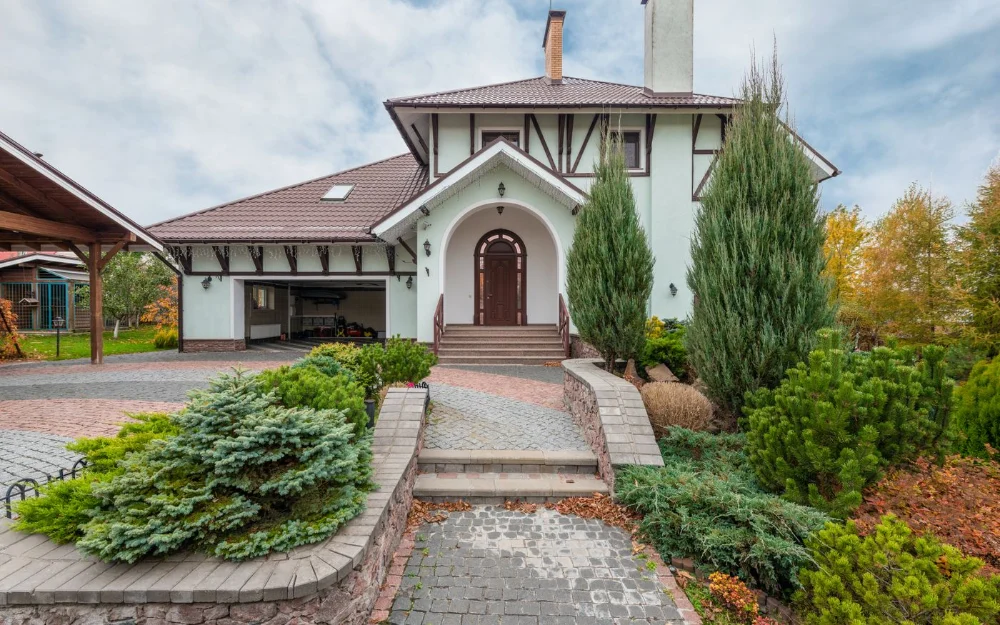
Block paving looks neat, comes in many colours and patterns, and has a useful advantage: if a section stains or sinks, you can lift and relay individual blocks rather than redo the lot.
The catch: weeds and moss can colonise the joints, and a poorly prepared base lets blocks dip and rut over time. The quality of the groundwork matters more than the blocks themselves.
Resin-bound
Resin-bound gravel gives a smooth, joint-free finish that is permeable and low-maintenance, with no loose stones to wander. It is comfortable to walk and wheel across, which makes it a strong all-rounder.
The catch: it costs more than the alternatives and is only as good as the base it sits on. A weak or damp base can cause it to fail, so installation quality is everything.
Tarmac and concrete
Tarmac is quick to lay, hard-wearing and easy on the budget, though it can soften in very hot weather and the look is plain. Concrete is durable and reasonably priced but can crack over time and is hard to patch invisibly.
A note on planning permission
If you pave over a front garden with a non-permeable surface that drains onto the road, you may need planning permission once it goes beyond a small area. Permeable surfaces, or ones that drain to a border or soakaway, generally avoid this. Check with your council before committing. For costs and value, see our home improvement cost report and which improvements add the most value.
FAQ
What is the cheapest driveway material?
Gravel is usually the cheapest to install and drains well, but it needs occasional topping up and is not ideal for wheels. Tarmac is the next most affordable for a solid surface.
Do I need planning permission for a driveway?
You can need it if you use a non-permeable surface over a front garden that drains to the road beyond a small area. Permeable surfaces or ones draining to a soakaway usually do not. Confirm with your local council.
Which driveway lasts longest?
Well-laid block paving and resin-bound surfaces are long-lasting and repairable. The base preparation matters as much as the surface, so a good installer is the key to longevity.