
Key takeaways
- SPF50 blocks about 98% of UVB; the jump to SPF100 is tiny, so how much you apply matters more than the number.
- For UVA (the ageing rays) look for PA++++ or UVA in a circle, alongside SPF50 or SPF50+.
- Use about two finger-lengths (a quarter teaspoon) on your face; most people apply a third of that and lose most of the protection.
- Daily sunscreen is the best-evidenced anti-ageing step: a 4.5-year randomised trial found 24% less skin ageing in daily users.
A British summer does not ask much of your sun protection, until suddenly it does. The June heatwave has people actually putting SPF on their face every morning, and the sunscreens selling fastest right now are the light, no-white-cast kind you will genuinely reapply, not the thick stuff that sits on your skin.
Here are the face sunscreens worth buying in 2026, with a clear pick for each skin type. Every one is SPF50 or SPF50+ with broad UVA and UVB cover, the level the NHS and Which? point to for daily wear. Prices were right when we checked and move around a lot, especially during Amazon Prime Day.
How this guide was made: desk research, not a hands-on test. We shortlist on UK availability, compare published specifications and warranty terms, and read verified UK owner reviews, discounting incentivised ratings. Prices in the comparison table are pulled live from Amazon UK. Where we have tested something ourselves, we say so on the page.





As an Amazon Associate I earn from qualifying purchases. (paid link)
How to read an SPF label
SPF is about UVB, the rays that burn. For UVA, the ageing ones, look for UVA in a circle, four or five stars, or the PA++++ rating on Korean brands. Anything marked SPF50+ and broad-spectrum is doing the heavy lifting. The real mistake is not the number, it is using too little: roughly two fingers worth for your face and neck, topped up every couple of hours in strong sun.
How we picked these
Every pick is SPF50 or SPF50+ with broad-spectrum UVA and UVB protection, the level the British Association of Dermatologists and the NHS recommend for daily wear. We leaned towards textures people actually reapply, a light finish with no white cast, a high PA++++ UVA rating where it is listed, and a clear best fit for each skin type. For how much to apply and why it matters, see our guide on how much sunscreen to use. Prices were right when we checked and move around, especially during Amazon Prime Day.
At a glance
| Sunscreen | Best for | SPF | Price |
|---|---|---|---|
| La Roche-Posay Anthelios UVmune 400 | Overall | 50+ | £16 |
| CeraVe Invisible Hydrating | Value / dry skin | 50+ | £10 |
| Beauty of Joseon Rice Probiotics | A glow / under makeup | 50+ | £11 |
| Beauty of Joseon Aqua-Fresh | Oily skin | 50+ | £10 |
| e.l.f. Suntouchable Invisi-Stick | Top-ups | 50 | £15 |
| E45 Sensitive Face | Sensitive skin | 50+ | £10 |
The face sunscreens worth buying
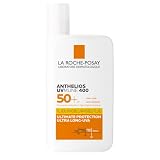
La Roche-Posay Anthelios UVmune 400 Invisible Fluid SPF50+
Best overallThe fluid that talked a lot of people into wearing SPF every day. It is genuinely invisible, sinks in within seconds and dries to a soft matte finish that sits fine under makeup. The UVmune 400 filter covers the longest UVA rays, the bit older sunscreens missed.
The catch: the runny texture catches people out, so pour slowly or it ends up everywhere. At around £16 for 50ml it is not the cheapest per use.
SPF50+, broad UVA/UVB, 50ml
As an Amazon Associate I earn from qualifying purchases. (paid link)
CeraVe Invisible Hydrating Sunscreen SPF50+
Best valueDoes the sensible-skincare thing CeraVe is known for: ceramides and hyaluronic acid, fragrance-free, no greasy film. The newer invisible formula fixed the white cast the old version was criticised for, so it works on deeper skin tones now too.
The catch: it leans hydrating rather than mattifying, so very oily skin may want something lighter on hot days.
SPF50+, fragrance-free, no white cast
As an Amazon Associate I earn from qualifying purchases. (paid link)
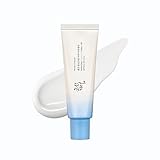
Beauty of Joseon Relief Sun Rice Probiotics SPF50+
Best for a glowThe K-beauty cult sunscreen, and the reason half of TikTok started reapplying. It gives a soft, hydrated glow instead of a flat finish, layers beautifully under makeup and carries the top PA++++ UVA rating. Strong value for the size.
The catch: the dewy finish is lovely on normal and dry skin but can read as shiny if you are already oily (the Aqua-Fresh below fixes that).
SPF50+ PA++++, glowy finish
As an Amazon Associate I earn from qualifying purchases. (paid link)
Beauty of Joseon Relief Sun Aqua-Fresh SPF50+
Best for oily skinSame brand, lighter brief. The Aqua-Fresh version swaps the glow for a fresher, faster-absorbing feel with a touch of B5, so it suits combination and oily skin in the heat without the tight dry-down.
The catch: it is newer and sells out, so the price bounces around more than the original.
SPF50+ PA++++, lightweight
As an Amazon Associate I earn from qualifying purchases. (paid link)
e.l.f. Suntouchable Invisi-Stick SPF50
Best for top-upsThe reapply problem, solved. A clear stick you can swipe over makeup at lunchtime, or hand to the kids, without smearing the lot. Water resistant and small enough for a bag or the car door.
The catch: a stick makes it hard to judge whether you have used enough, so treat it as a top-up tool rather than your only sunscreen for the day.
SPF50, water resistant, stick
As an Amazon Associate I earn from qualifying purchases. (paid link)
E45 SPF50+ Sensitive Sun Cream for Face
Best for sensitive skinA no-drama, fragrance-free face cream from a brand reactive skin already trusts, with hyaluronic acid for a little hydration. Reach for this if scented sunscreens sting your eyes or break you out.
The catch: the finish is more moisturiser than invisible, so it is less exciting under makeup than the fluids above.
SPF50+, fragrance-free, sensitive skin
As an Amazon Associate I earn from qualifying purchases. (paid link)
Sunscreen questions, answered
Is SPF50 enough for the UK?
Yes. SPF50 blocks roughly 98% of UVB, and no sunscreen reaches 100%. What matters more is using enough and topping up, not chasing a bigger number. On a hot, bright UK day, SPF50 worn properly beats SPF100 applied thinly.
Do I need sunscreen on cloudy days?
Up to 80% of UV passes through cloud, and UVA stays fairly steady through daylight hours all year. If you are outside for more than a few minutes on a summer day, daily SPF earns its place.
Chemical or mineral, what is the difference?
Chemical filters absorb UV and tend to feel lighter and invisible, which is why most picks here are chemical. Mineral filters (zinc, titanium) sit on top and reflect UV, which suits very reactive skin but can leave a white cast. Both protect well when applied properly.
How much sunscreen should I use?
About two fingers length of product for your face and neck. Most people use far less, which quietly drops the real protection well below the number on the bottle. Reapply every couple of hours in strong sun.
Is Korean sunscreen actually better?
Not magically, but Korean brands have been ahead on texture and on clear UVA (PA++++) labelling, so they often feel nicer to wear every day. The best sunscreen is the one you will actually put on, which is why feel matters.
Sources
- Hughes MCB, et al. Sunscreen and prevention of skin aging: a randomized trial. Annals of Internal Medicine, 2013.
- British Association of Dermatologists: sun awareness and sunscreen.