
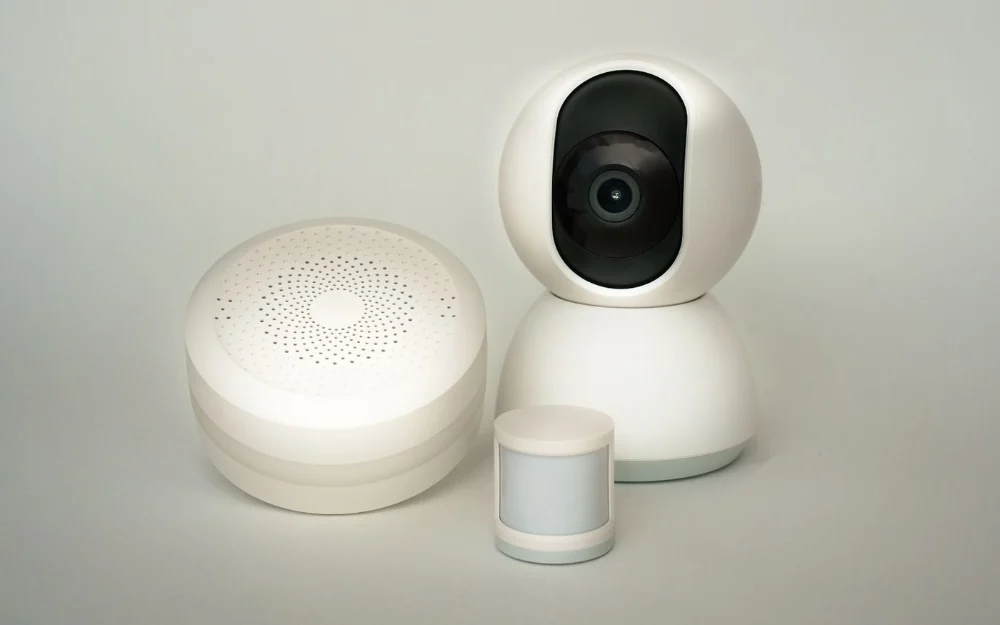
The 60-second decision
Checked 16 Nov 2026For most homes a self-installed alarm is enough. It deters and records, but it will not bring the police. Ring Alarm Pack L is the best all-round kit if you accept a small monthly fee. If you refuse subscriptions, eufy's kit has none. If you need police response, only a professionally installed, monitored system qualifies.
Ring's ecosystem is hard to beat for value and expandability.
(affiliate link: we may earn commission) £209.99 on Amazon (Amazon price at 9:43am, 26 Nov 2026)
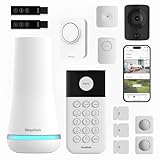
No monthly fee at all: footage is stored on the HomeBase, not in the cloud. The trade-off is no professional monitoring option.
(affiliate link: we may earn commission) £109.00 on Amazon (Amazon price at 10:32am, 26 Nov 2026)
- What it costs to own
- Ring now needs a subscription to arm and disarm from the app: £4.99 a month for one device, or £7.99 for every device at one address (about £96 a year). eufy and Yale have no monthly fee. Professionally monitored systems run to £199 or more upfront plus £27 to £45 a month. Prices as checked 16 Nov 2026.
- The catch
- App arming and disarming on Ring needs a paid plan.
- Amazon ecosystem lock-in.
- Wi-Fi systems stop working when your broadband does.
- Skip it if
- You want the police to attend when the alarm sounds. Only a professionally installed Type A system with a police reference number gets a planned response.
- Your home insurer requires a professionally installed and maintained alarm. Check the policy wording first.
- Do you need to buy anything?
- Maybe not a full kit. A video doorbell, one outdoor camera and contact sensors on the main doors cover the entry points most burglars use, and monitoring is not worth paying for in most households.
Buy, consider or avoid: every product we rated in this guide (5)
- Buy Ring Alarm Pack L. The best all-round DIY kit for a two or three bedroom home, as long as you budget for the £4.99 to £7.99 monthly plan.
- Buy eufy Security 5-Piece Home Alarm Kit. For buyers who will not pay monthly: local storage and no subscription.
- Consider SimpliSafe Home Security System. Month-to-month professional monitoring is flexible, but at 66p to 93p a day it costs roughly £20 to £28 a month.
Buy: the evidence supports it for the buyer described. Consider: right for some buyers, with a real trade-off. Avoid: poor value or a documented drawback for this use. Products we have not rated show no verdict.
Why it won · Picked by desk research from makers' figures, listings and regulators, not hands-on testing. Amazon links in this box are affiliate links: we may earn commission, and commission never decides a pick. Prices come from Amazon at the time shown on the product cards below and can change. How we decide · Decision history
Read aloud by your device's built-in voice. Tables and price boxes are skipped.
This guide covers home security systems. A DIY system costs £180 to £350 for a starter kit with no monthly fee if you self-monitor, while a professionally installed and monitored system runs to £199 or more upfront plus £27 to £45 a month. For most households the DIY route is the right one, but what it buys is deterrence and evidence, not police attendance.
- DIY starter kit: £180 to £350, with no monthly fee if you self-monitor.
- Professionally monitored: £199 or more upfront plus £27 to £45 a month.
- A DIY system buys deterrence and evidence. Police attendance is not part of it.
- Picks include Ring Alarm Pack L, SimpliSafe and Eufy Security.
A home alarm you fit yourself costs a couple of hundred pounds and has no monthly fee. It can scare off a burglar and record what happened. It does not bring the police, which only some professionally monitored systems can arrange.
Summaries were generated with AI from the text of this page. If a summary and the page disagree, the page is right.
Explore other styles:
A DIY home security system costs £180 to £350 for a starter kit in the UK, with no monthly fee if you self-monitor, while a professionally installed and monitored system runs to £199 or more upfront plus £27 to £45 a month. For most households the DIY route is the right one, but what it buys is deterrence and evidence. Police attendance is not part of it, and that difference matters more than any feature comparison. This guide covers what each system does, what the evidence says it achieves, and the two UK-specific rules that catch people out.
Only need a doorbell camera? Our guide to video doorbells with no subscription compares models that record locally with no monthly fee. Weighing up a monitored system? See Ring vs SimpliSafe vs Verisure. For the three-year arithmetic on one monitored kit against one unmonitored one, see SimpliSafe vs eufy.
How this page was made
Checked by Look Into on 16 November 2026 · Amazon prices on the product cards update live; prices quoted in the text are from our checks and may have moved · next check 11 January 2027 · how we picked
How Look Into made this guide: desk research, not a hands-on test. We shortlisted on UK availability and compared the makers' published specifications and warranty terms, read on 16 November 2026. Prices in the comparison table are pulled live from Amazon UK. Look Into has not handled these products: every figure comes from the maker, the listing or a named source, read on the date shown.
Prices in this table come from Amazon and are refreshed at least once a day, with the date of the last update under the table. The cost-per-use and running-cost figures on this page use prices Look Into read on 16 November 2026, so they can differ from today's price.
Compare live prices for every pick




As an Amazon Associate, Look Into earns from qualifying purchases. Product prices and availability are accurate as of 26 November 2026 2:00 am and are subject to change.
Black Friday 2026 is Friday 27 November, and Amazon's sale runs from 19 to 30 November. Before trusting a deal badge, check the price history Amazon shows beside the price on the product page, or use our free deal checker. For the dates and the rules, see the Black Friday deals guide.
Best home security systems 2026: quick comparison
| System | Type | Monthly Fee | Starting Price | Best For |
|---|---|---|---|---|
| Ring Alarm Pack L | DIY + optional monitoring | £4.99 to £29.99 | £209.99 on 16 Nov 2026 (Pack L) | Best overall |
| SimpliSafe | DIY + optional monitoring | £0 to £28 | £179.99 on 16 Nov 2026 | No contract flexibility |
| Yale Sync Smart Alarm | DIY smart alarm | £0 | £189.98 on 16 Nov 2026 | Traditional alarm feel |
| Arlo Pro 5 two camera kit | Camera system | £0 to £13 | £113 a camera on 16 Nov 2026 | Outdoor camera quality |
| Eufy Security | Camera + alarm | £0 | £109.00 on 16 Nov 2026 | No subscription fees |
| ADT Smart Home | Professional install + monitoring | £27 to £45 | £199 setup | Full professional service |
Detailed Reviews
1. Ring Alarm Pack L: Best Overall
Ring's ecosystem is hard to beat for value and expandability. The Pack L kit sold on Amazon UK has ten pieces: a base station, a keypad, four contact sensors, three motion detectors and a range extender, and its listing pitches it at two to three bedroom homes. (The Ring Alarm Pro, whose base station has a Wi-Fi 6 router built in, is sold only in the US, so it is not the kit we point to.) Add Ring cameras and doorbells for a complete system. Ring has since replaced its old Protect plans: subscriptions now run from £4.99 a month for one device to £7.99 for every device at one address, with a £15.99 Pro tier and a £29.99 tier that sends a third-party security guard out to alarms. There is no traditional monitored-alarm plan any more, and arming or disarming the alarm from the app now needs a subscription.
Check Ring Alarm price on Amazon →
Pros
- Affordable starting price
- Huge ecosystem (cameras, doorbells, sensors, locks)
- Easy DIY installation (30 to 60 minutes)
- Ring Multi covers every device at one address for £7.99 a month
- Alexa integration
Cons
- Best features, including app arming and disarming, need a subscription
- Amazon ecosystem lock-in
- Video quality good but not best-in-class
2. SimpliSafe: Best No-Contract Monitoring
SimpliSafe offers professional 24/7 monitoring without tying you into a long contract. You can switch monitoring on and off month-to-month. This makes it ideal if you want professional response during holidays or vulnerable periods. The equipment is well-built and the app is straightforward.
Check SimpliSafe price on Amazon →
Pros
- No contract: cancel monitoring anytime
- Professional monitoring available month to month
- Cellular backup (no Wi-Fi dependency)
- Clean, modern design
Cons
- Camera range is limited vs Ring/Arlo
- Monitoring is 66p to 93p a day, roughly £20 to £28 a month
- Fewer smart home integrations
3. Eufy Security: Best for No Subscription
If you refuse to pay monthly fees, Eufy is the answer. All video storage is local (on the HomeBase unit), so there's no cloud subscription required. Camera quality is excellent, the app works well, and the system integrates with Apple HomeKit, Google Home, and Alexa.
Pros
- Zero monthly fees, ever
- Local storage (16GB built-in, expandable)
- Excellent camera quality (2K/4K)
- Works with all major smart home platforms
Cons
- No professional monitoring option
- If HomeBase is stolen, footage is lost
- Slightly less polished app than Ring
4. Yale Sync Smart Home Alarm: the traditional alarm, made smart
Yale is the name most British households already associate with locks, and the Sync alarm is the closest thing here to a conventional wired burglar alarm without the wiring. The hub sits by the front door, the external siren goes on the wall where a neighbour can hear it, and the sensors talk to it over Yale's own radio protocol, separate from your Wi-Fi. There is no subscription of any kind.
Check Yale Sync price on Amazon →
Pros
- No monthly fee at all
- External siren box, which is the part burglars actually look for
- Does not depend on your broadband staying up
- Familiar British brand with high-street support
Cons
- No professional monitoring option
- Camera range is thin next to Ring or Arlo
- App is functional but basic
5. Arlo Pro 5 two camera kit: best outdoor camera picture
Corrected 16 November 2026: the single Arlo Pro 5S listing this page used to point at is still unavailable on Amazon UK, so the pick is now the Arlo Pro 5 two camera kit, which was in stock at £226.28 when we read the buy box on 16 November 2026. That is £113.14 a camera.
If your priority is a clear view of a face at 2am and a siren matters less, Arlo is the camera range to look at. The Pro 5 shoots 2K with HDR and colour night vision, runs on a rechargeable battery so it goes where there is no power, and has a built-in spotlight and siren. It is a camera system, so add it to an alarm. It does not replace one.
Check Arlo Pro 5 price on Amazon →
Pros
- Best image quality of the systems here, day or night
- Battery powered, so placement is not limited by sockets
- Spotlight and siren built into the camera
Cons
- Cloud recording needs a subscription; without one you get alerts but no saved video
- Batteries need recharging every few months in winter
- Per-camera cost adds up quickly
6. ADT Smart Home: when you want somebody else to deal with it
ADT is the professionally installed and professionally monitored option. An engineer specifies and fits the system, and the alarm signals to a manned alarm receiving centre. That is a genuinely different product from everything else on this page, and the reason to buy it is the response arrangement behind the hardware. It is also the only route on this list that can lead to police response, for the reasons set out below.
Pros
- Professional survey, installation and maintenance
- Signals to a manned alarm receiving centre
- The route to a police-response system if you need one
Cons
- Much the most expensive over three years
- Contract lengths of 12 to 36 months
- You cannot simply take it with you when you move
DIY vs professional installation
| Factor | DIY (Ring, SimpliSafe, Eufy) | Professional (ADT, Verisure) |
|---|---|---|
| Install cost | £0 (self-install) | £199 to £500 |
| Monthly cost | £0 to £28 | £27 to £50 |
| Equipment cost | £200 to £600 | Often "free" (bundled into contract) |
| Contract length | None or monthly | 12 to 36 months |
| Installation time | 30 to 90 minutes | 2 to 4 hours (engineer visit) |
| Best for | Tech-comfortable homeowners | Hands-off, want guaranteed response |
Security devices in our suggested buying order
The scores below are Look Into editorial judgement on what to buy first, drawn from the research cited further down this page. They are not measured deterrence figures, and no product here was tested by Look Into.
| Device | Our priority score | Cost | Priority |
|---|---|---|---|
| Video doorbell | 5 out of 5 | £80 to £200 | Buy first |
| Outdoor camera (front) | 5 out of 5 | £100 to £250 | Buy first |
| Smart alarm with siren | 4 out of 5 | £200 to £350 | High priority |
| Smart lock | 3 out of 5 | £150 to £300 | Nice to have |
| Indoor camera | 2 out of 5 | £50 to £150 | Optional |
| Window/door sensors | 3 out of 5 | £15 to £30 each | High priority |
Does a home security system actually reduce crime?
Home security systems do reduce crime, but by less than the marketing implies, and the effect depends heavily on where the cameras are. The College of Policing's crime reduction toolkit, which pools the available research across many studies, reports that crime fell by 13% overall in areas with CCTV compared with areas without.
The detail matters more than the headline:
- Residential areas: a 12% reduction. Real, but modest. A camera is not a force field.
- Car parks: a 37% reduction, the strongest result in the evidence. If you have a driveway and a car, that is where a camera earns its keep.
- Property crime and vehicle crime: about 14% each. These are the categories most householders are actually worried about.
- Violence and disorder: no statistically significant effect. Cameras do not stop confrontations.
- Crime was not simply displaced to neighbouring streets, which is the objection usually raised and, on this evidence, not supported.
Two findings are worth acting on when you spend. CCTV worked better when it was actively monitored than when it only recorded, and better again when combined with other measures such as better lighting and fencing. A £40 outdoor light on the side return may do more than a fourth camera.
Will the police respond to your alarm?
Almost certainly not, if you buy any of the DIY systems on this page. This is the single most misunderstood thing about home alarms in the UK, and it is worth being blunt about, because American marketing copy travels badly.
UK forces divide alarms into two classes. A Type A system is one that meets the relevant British Standards, is installed to those standards, and signals to a manned alarm receiving centre. Those systems are issued a unique reference number by the force's alarms department, and only they get a planned police response, subject to conditions including having at least two nominated keyholders. Everything else is a Type B system, and, in the words of one force's published policy, "generally, a planned response is not provided to non-accredited signalling systems".
A self-installed alarm that pings your phone is a Type B system. So is a bells-only siren. Neither is registered with anyone, and a 999 call reporting "my app says my alarm is going off" is treated on its own merits like any other report, not as a police-response alarm activation.
That does not make DIY systems pointless. Most burglaries are opportunistic and a siren, a visible camera and a phone alert are aimed at deterrence and evidence, not dispatch. But if what you actually want is police attendance, you need a professionally installed monitored system with a URN, which means an installer inspected by a recognised body, a contract, and a monthly fee. Decide which of those two things you are buying before you spend.
One consequence: be careful with any product page promising "police dispatch". Check what the provider's UK monitoring contract actually commits to. Usually it is a keyholder or a private response service.
Doorbell cameras and the law on filming your neighbours
If your camera or video doorbell captures anything beyond your own boundary, UK data protection law applies to you personally, and the household exemption no longer covers you. The Information Commissioner's Office is explicit: if the camera "captures someone else's property, a public area or communal space, then data protection law applies".
In practice that gives you five obligations, none of them onerous but all of them real:
- Have a clear reason for running the camera.
- Capture no more than you need. Position cameras at your own property where you can, and use the privacy-zone masking built into Ring, Arlo, Eufy and most others to black out a neighbour's window or the pavement.
- Tell people. A small sign by the door is enough.
- Hand over footage of someone if they ask for it.
- Delete recordings regularly, ideally automatically.
If a neighbour objects and you have no good reason to keep filming their property, the expectation is that you stop. Getting the privacy zones right on the day you install the camera avoids almost every version of this argument.
What it costs after the box: smart home ownership costs prices Ring, Nest, Arlo, eufy, Yale and SimpliSafe over three and five years with plans included, and shows what each device still does if you stop paying. For monitoring, UK alarm monitoring costs prices Ring, SimpliSafe, Eufy and Verisure and checks each against police response rules.
Renting, and other practical constraints
Most tenancy agreements rule out drilling into exterior walls, which removes wired alarms, external siren boxes and most permanent camera mounts. Battery cameras on adhesive or clamp mounts, a plug-in indoor camera and a doorbell that fits over the existing bell wiring are usually acceptable, but check the agreement and, for a shared entrance, remember that a communal hallway is not your property for data protection purposes.
Two more constraints worth checking before you buy. Battery cameras lose a noticeable amount of runtime in a British winter, and a camera on a busy street triggers far more often than the manufacturer's quoted battery life assumes. Broadband dependency matters too: Wi-Fi systems stop working when the router does, so if your connection is unreliable, favour a system with cellular backup or one like Yale's that uses its own radio link to the hub.
Security on a budget
A battery video doorbell, one outdoor camera and contact sensors on the main doors cover the entry points most burglars use, and models with local storage avoid a monthly fee. Before you buy, check what the subscription adds over three years in our subscription tax index, and see the best video doorbells with no subscription.
Frequently asked questions
Do home security cameras actually deter burglars?
Yes, though by less than most marketing suggests. The College of Policing's review of the evidence found crime fell by 13% overall where CCTV was in place, and by 12% in residential areas specifically. The effect was strongest in car parks, at 37%, and there was no significant effect on violence. Cameras worked better when actively monitored and when combined with other measures such as better lighting.
Will the police come if my DIY alarm goes off?
Not as a matter of course. Police forces provide a planned response only to Type A systems, which meet British Standards, signal to a manned alarm receiving centre and hold a unique reference number issued by the force. A self-installed alarm that alerts your phone is a Type B system and does not qualify. If police attendance is what you want, you need a professionally installed monitored system.
Do I need professional monitoring?
For most households, no. A phone alert arrives within seconds and you can decide what to do with it. Monitoring is worth paying for if you are often out of signal, travel a lot, live somewhere remote, or specifically want the police-response route described above.
Is my video doorbell legal if it films the pavement?
Yes, but you become responsible under data protection law once the camera sees beyond your boundary. The ICO expects you to have a reason for filming, capture no more than you need, put up a sign, provide footage to anyone who asks for their own images, and delete recordings regularly. Use the privacy-zone masking in the app to black out a neighbour's property.
Will an alarm reduce my home insurance premium?
Sometimes, but do not buy one expecting it to. Insurers differ on what they recognise and some ask for a system that is professionally installed and maintained. Check your own policy wording before you buy, and tell your insurer if you fit an alarm, because some policies require you to set it whenever the house is empty.
Are smart locks safe?
Modern smart locks from established brands are secure, and they remove the risk of a copied key. Look for a physical key override, a published encryption standard, and a battery-low warning that gives you weeks of notice.
What should I buy first on a small budget?
A video doorbell and one outdoor camera covering the main approach. That combination is the cheapest way to get both deterrence and usable evidence, and it addresses the front of the house, where most opportunistic entry starts. Add door and window sensors and a siren after that.
Explore Home Security
Our complete home security guide covers cameras, alarms, smart locks, and more.
Read the Full Security Guide →Before the alarm, there is the door. Our UK Home Security Value Index prices the locks and hardware that cover the entry routes burglars actually use, against ONS data, for less than the cheapest kit on this page.
 Household SavingsUK Washing Machine Warranty and Repair Index 2026
 Home & GardenThe Missing Number Report 2026: what 658 UK product listings leave out
 Buying DeskBest bathroom sealant UK 2026: ranked by cost a metre
 Buying DeskBest pipe insulation UK 2026: what it costs a metre, and what the listings leave out