
Every comparison page on Look Into answers the same two questions for a pair of appliances. Which one costs less to run at the Ofgem price cap of 26.32p per kWh, which applies from 1 October to 31 December 2026? And if the cheaper one to run costs more to buy, how much use does it take to earn the difference back?
We call that second number the pence-back point. It is the price gap divided by the saving per use, counted in litres of water removed, cooks or nights. A machine that saves 2p a litre and costs £20 more has a pence-back point of 1,000 litres. If you will never use it that much, buy the cheaper one.
The verdict, 28 September 2026
- Eleven comparisons so far, all priced at 26.32p per kWh from each maker's own figures, with prices read on Amazon UK or the maker's site on 28 September 2026.
- The pence-back point is often longer than the product's life. The Ninja AF300UK needs 2,356 cooks, about nine years, to earn back its price over the Tefal Easy Fry Dual Zone.
- Some upgrades never pay back on electricity. The Meaco Arete Two saves 2.3p a litre at 12 litres but only 0.7p at 20 litres.
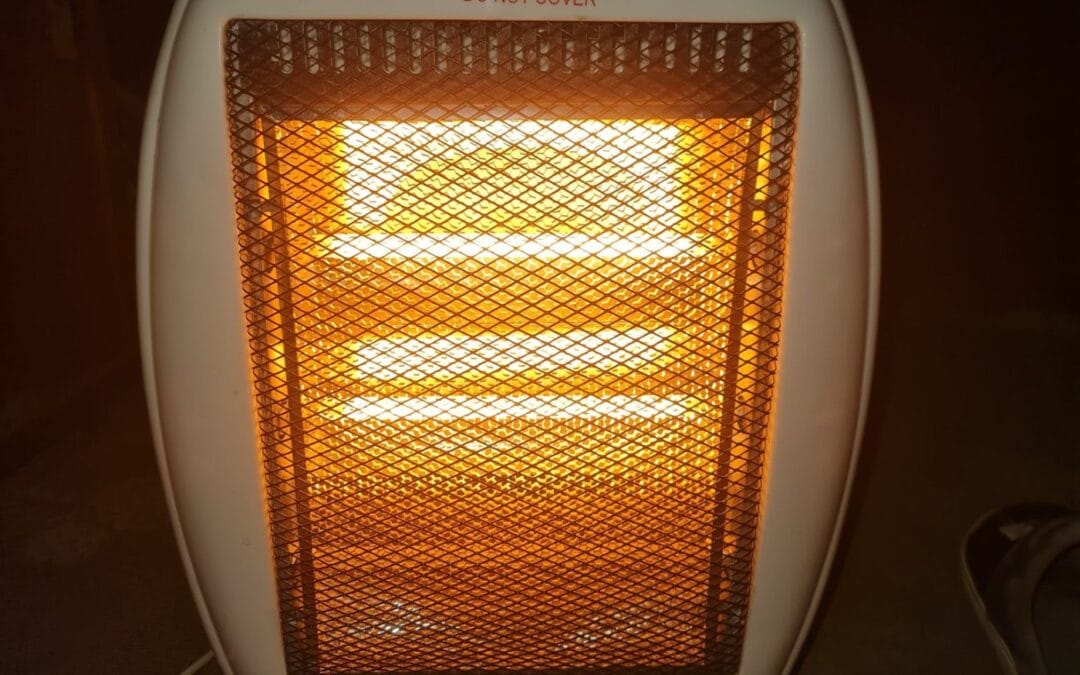
- Some comparisons have no running-cost winner at all. A 2kW oil-filled radiator and a 2kW fan heater both cost 52.6p an hour.
| Comparison | Cheaper overall | Pence-back point |
|---|---|---|
| Meaco Arete One vs Arete Two 12L | Arete Two: 15.9p a litre against 18.2p (20°C, 60%) | 859 litres |
| Meaco Arete One vs Arete Two 20L | Arete One: the Two saves only 0.7p a litre | About 6,000 litres |
| Meaco Arete One 12L vs MeacoDry ABC 10L | ABC in a warm room, Arete One in a cold one | 370 to 1,596 litres |
| Meaco vs Pro Breeze 12L | Only the Meaco's cost can be checked: 31.8p a night | 470 nights, or never |
| Ninja AF300UK vs Philips 3000 Dual Basket | Close: 21.1p against 24.1p a cook, choose on drawers | 923 cooks |
| Ninja AF300UK vs Tefal Easy Fry Dual Zone | Tefal: £62 cheaper, 2.6p a cook dearer | 2,356 cooks |
| Ninja AF300UK vs AF400UK | AF300UK, unless you cook for a family | 348 family meals, or never |
| Tower Vortx 4.2L vs Ninja AF140UK | Tower, cheaper to buy and to run | Never: the Ninja costs more on both |
| Lakeland Dry:Soon vs Duronic CA30 | A tie on running cost; Dry:Soon for the 3-year guarantee, Duronic £20 cheaper | Never: both draw 300W, so neither earns the other back |
| Candy GDL 8N1-80 vs Hisense DH3S802BW3 | Hisense, 17.6p less a full load | About 624 full loads (2.4 years at five a week) |
| Silentnight Dual Control vs Carmen Double | Carmen, 1.8p an hour against 3.2p with both Silentnight sides on | Not a running-cost choice: under £1 a winter on a half-hour pre-heat |
| Levoit Core Mini vs Philips 600 Series | Levoit on electricity; filters decide the total | Philips is cheaper over 3 years only if the Levoit filter lasts 4 months, not 6 |
| Oil filled radiator vs fan heater | Same: 52.6p an hour each at 2kW | None |
| Electric blanket vs heater | Blanket: 1.8p an hour against 17.1p and up | None needed |
| Electric blanket vs hot water bottle | Blanket for a pre-warm, bottle for all night | About 290 nights |
| Tumble dryer vs dehumidifier vs heated airer vs radiator | Heat pump dryer: 15p a 3kg load | See the page |
| Microwave vs air fryer vs oven vs slow cooker | Microwave: 4p a jacket potato | About 220 potatoes, air fryer against oven |
Prices and specs last checked by Look Into on 28 September 2026 · next check 1 January 2027 · how we picked
How the pence-back point works
Running costs on a listing are usually per hour. That flatters the machine that draws the least power, even when it does less work. So we price each machine per unit of work: per litre of water a dehumidifier removes, per 20-minute cook in an air fryer, per night or per hour for a heater or blanket. Watts come from the maker's own table where one exists, and from the rated power on the listing where it does not.
Then we divide the price gap by the saving per unit. The result is the pence-back point. It changes whenever the cap or the price changes, which is why every page carries the date the prices were read and is rebuilt at each new cap.
| Step | Value |
|---|---|
| Arete One 12L: 151W, 5.23 litres a day | 18.2p a litre |
| Arete Two 12L: 136W, 5.40 litres a day | 15.9p a litre |
| Saving per litre | 2.33p |
| Price gap, 28 September 2026 | £20.00 |
| Pence-back point | £20.00 ÷ 2.33p = 859 litres |
Rules every head-to-head follows
- Watts and output come from the maker's own page where it publishes them, not the Amazon listing. Where a maker publishes no wattage, as with the Pro Breeze 12L, the page says so and prices the maker's own claims.
- Every cost is a ceiling at full rated power unless the maker publishes a measured figure. Thermostats and humidistats bring real costs down.
- Every page has a box saying what it could not check. We have not run any of these machines on a meter.
- Commerce sits below the method. A link to Amazon earns Look Into a commission and never changes a number.
- All pages are rebuilt at the next cap change, on 1 January 2027.
Every other comparison on Look Into
The table above covers appliances priced at the energy cap. These comparisons weigh up other choices: systems, materials, buying against renting, and named models. Each one shows its own method and date.
Heating, energy and the home
- Air source vs ground source heat pumps
- Heat pumps vs solar panels: which to install first
- Compressor vs desiccant dehumidifier
- uPVC vs aluminium vs timber windows
- Fire pit vs patio heater
- Ring vs SimpliSafe vs Verisure
Products and buy-or-lease
- Bean-to-cup vs pod coffee machine
- Lease or buy a coffee machine
- E-bike vs e-scooter: legality and cost per mile
- Philips Lumea 9900 vs Braun Silk-expert Pro 5
- Shark CryoGlow vs Ulike ReGlow
Mobility
- Home lift vs stairlift
- Straight vs curved stairlifts
- Renting vs buying a stairlift
- Motability scooter vs buying your own
- Manual vs powered wheelchairs
More ways to price your appliances
For a single appliance with your own hours and your own tariff, use the appliance running cost calculator. For the hourly cost of common household appliances side by side, see the UK running cost index. For whole heating systems, see heat pump vs gas boiler running costs.
This page recommends no product and carries no affiliate links.
Sources
- Ofgem, energy price cap unit rates and standing charges (1 October to 31 December 2026)
- The maker pages, listings and prices behind each comparison are cited on that comparison's own page.
 Claims CheckedThe energy label audit: 100 best-selling appliances, and what the letter really tells you
 Solar PanelsPlug-in solar panels UK 2026: the rules, what they save and what 20 listings tell you
 Household SavingsRepair or replace calculator: washing machines, dryers, fridges and dishwashers
 Household SavingsThe 10 cheapest ways to heat one room this winter, ranked by cost per hour