
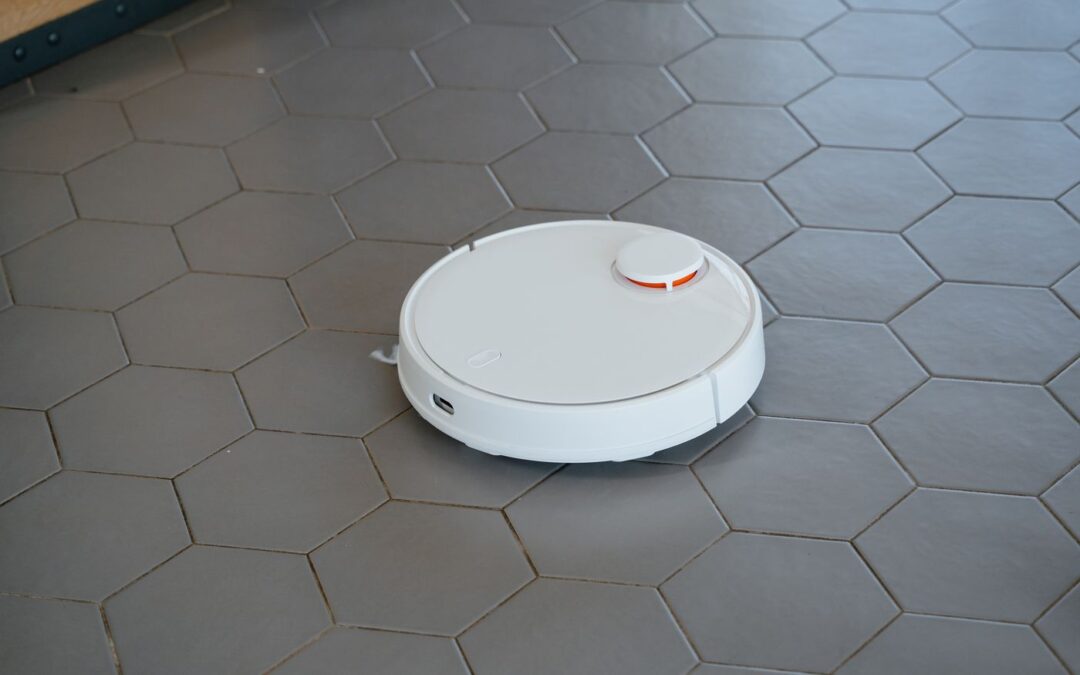
The short answer (checked 8 November 2026)
- Best overall is the roborock Q7 L5+, the number one robot vacuum on Amazon UK this week. It empties itself into a 2.7L bag that roborock says lasts seven weeks, which works out at about £7.90 a year in compatible bags.
- Lowest bag cost of any self-emptying pick is the dreame D20 Pro Plus. Its 150-day bag claim means about £3.04 a year.
- Electricity is the smallest cost of owning one. The roborock Q7's battery holds 46Wh, so a full charge costs about 1.2p at the price cap. Bags, brushes and filters cost more over a year than the power does.
- Audit finding: of the nineteen robot vacuums in Amazon UK's top twenty Robotic Vacuums chart, read on 8 November 2026, eighteen state a suction figure in pascals, and none says how it was measured. The figures run from 2,200Pa to 25,000Pa, an eleven-fold spread.
- Two of the picks use the same 2.7L dust bag size and claim different lives for it: seven weeks on one, seven to nine weeks on the other. None of the eight bag-life claims says what size of home or how many cleans a week it assumes.
If you are buying a robot vacuum in the Black Friday sale, the number on almost every listing is a suction figure in pascals. It is the wrong number to buy on. Pascals measure pressure, not how much dirt a robot picks up, and none of the listings we read names a test behind its figure. There is an international standard for measuring how well a robot vacuum actually cleans, and none of the twenty listings mentions it. So we ranked these on something you will pay for every year whichever robot you choose: the dust bags.
How this page was made
Prices and specs last checked by Look Into on 8 November 2026 · next check 1 January 2027 · how we picked
Prices in this table come from Amazon and are refreshed at least once a day, with the date of the last update under the table. The cost-per-use and running-cost figures on this page use prices Look Into read on 8 November 2026, so they can differ from today's price.
Why the pascal figure tells you so little
A pascal figure is a measure of how hard the fan can pull against a sealed opening. It says nothing about how much of that pull reaches the floor through the brush, the nozzle and the dust path, and nothing about how well the robot covers the room. A machine claiming 25,000Pa is not proved to clean ten times better than one claiming 2,200Pa, and without a stated method the two numbers cannot even be compared with each other.
The standard that does measure cleaning is IEC/ASTM 62885-7, "Surface cleaning appliances, Part 7: Dry-cleaning robots for household or similar use, Methods for measuring the performance". It sets test methods for dust removal from hard floors and carpets, pick-up of medium and large debris, fibre removal from carpet, mobility over thresholds, floor coverage, energy use and noise. It replaced the earlier IEC 62929:2014. It sets no minimum pass mark; it only defines how to measure, so results can be compared between robots. Not one of the twenty listings in the chart cites it, or any other method.
What a robot vacuum costs to run
Electricity. The roborock Q7 series manual gives a 14.4V, 3,200mAh battery. 14.4 x 3.2 = 46.1Wh, or 0.046 kWh. At the Ofgem cap of 26.32p per kWh (1 October to 31 December 2026, GB average, Direct Debit, standing charge excluded) a full charge costs at least 1.2p, before charger losses. A full charge every day for a year is about £4.43. Most of the other listings do not give a battery capacity. The Tapo manual gives 2,600mAh with no voltage, so its figure cannot be worked out. Even at twice the Q7's capacity the power would cost under 2.5p a charge.
Dust bags. Self-emptying docks suck the robot's bin into a sealed bag in the base, and that bag has to be replaced. Each maker states how long a bag lasts. We took that figure at face value, worked out bags a year (365 days divided by the stated life), and priced each bag from a compatible multipack on Amazon UK on 8 November 2026. These are third-party bags, which are usually cheaper than the maker's own. Robots with no dock use no bags, but you empty the bin by hand after most runs.
Brushes and filters. The roborock Q7 manual says to replace the side brush every three to six months and the filter and main brush every six to twelve months. The Tapo manual's table gives intervals of three to twelve months. These parts apply to every robot, dock or no dock, so we have not used them to rank, but budget for them.
How we picked these
We read the top twenty of Amazon UK's Robotic Vacuums Best Sellers chart on 8 November 2026. One of the twenty is a window-cleaning robot, which leaves nineteen vacuums. We opened all nineteen listings and read the title, bullet points and specification tables, and opened the instruction manuals supplied on the listings where there was one. We picked six that do different jobs, from a basic robot with no dock to a dock that washes its own mops. We have not run any of them in a home.
As an Amazon Associate, Look Into earns from qualifying purchases. Product prices and availability are accurate as of 8 November 2026 7:23 pm and are subject to change.Compare live prices for every pick





How they compare
| Robot | Dock | Maker's bag-life claim | Dock bags a year | Suction claimed |
|---|---|---|---|---|
| Lefant M210P | None | n/a | £0, empty by hand | 2,200Pa |
| roborock Q10 S5 | None | n/a | £0, empty by hand | 10,000Pa |
| dreame D20 Pro Plus | Self-emptying | 150 days | £3.04 (2.4 bags at £1.25) | 13,000Pa |
| roborock Qrevo S Pro | Self-emptying, mop washing | 7 to 9 weeks | £6.14 to £7.90 (5.8 to 7.4 bags at £1.06) | 18,500Pa |
| eufy C10 | Self-emptying | 60 days | £7.23 (6.1 bags at £1.19) | 4,000Pa |
| roborock Q7 L5+ | Self-emptying | 7 weeks | £7.90 (7.4 bags at £1.06) | 8,000Pa |
roborock Q7 L5+ with self-emptying dock
Price: check the live price on Amazon · self-emptying, 2.7L bag · about £7.90 a year in bags · number 1 in Robotic Vacuums, 8 November 2026
The best-selling robot vacuum on Amazon UK this week, and the one whose paperwork we could check most fully. It vacuums and mops, and empties itself into a 2.7L bag in the dock that roborock says lasts seven weeks. Its manual gives the battery as 14.4V and 3,200mAh, which is where the 1.2p-a-charge figure on this page comes from, and it sets out replacement intervals for every part.
The catch: at seven weeks a bag it has the highest bag cost of the picks, about £7.90 a year in compatible bags.
dreame D20 Pro Plus with self-emptying dock
Price: check the live price on Amazon · self-emptying · about £3.04 a year in bags · number 16 in Robotic Vacuums, 8 November 2026
The headline claim is 150 days of hands-free dust collection, more than twice as long as most of the docks in the chart. Taken at face value that is about 2.4 bags a year, or roughly £3 in compatible bags, the lowest running cost of any self-emptying pick.
The catch: 150 days is dreame's figure, and like every bag-life claim we read it does not say what size of home or how many cleans a week it assumes. A house with pets will fill a bag much faster. Its 13,000Pa suction claim has no method behind it either.
eufy C10 with self-emptying dock
Price: check the live price on Amazon · self-emptying · about £7.23 a year in bags · number 3 in Robotic Vacuums, 8 November 2026
The body is 2.85 inches high, which is the point of it: it gets under beds, sofas and desks that taller robots bump into. It empties itself into a dock bag that eufy says needs replacing every 60 days.
The catch: the listing gives the bag life two ways, "8 Weeks" in the title and "every 60 days" in the bullets. They are close but not the same, and neither says what home size they assume. Its 4,000Pa suction claim is one of the lowest in the chart, which tells you nothing either way.
roborock Qrevo S Pro with multifunction dock
Price: check the live price on Amazon · self-emptying, mop washing · about £6.14 to £7.90 a year in bags · number 6 in Robotic Vacuums, 8 November 2026
The dock does more than empty the bin: it washes the robot's mops in 75C water after each use. For homes with mostly hard floors, that is the feature that makes robot mopping worth having, because a dirty mop pad just spreads grime.
The catch: it uses a 2.7L bag, the same size as the Q7 L5+, yet roborock says this one lasts seven to nine weeks while the Q7 L5+'s lasts seven. It also costs several times what the basic robots do, which buys you a great many bags.
roborock Q10 S5
Price: check the live price on Amazon · no dock · £0 a year in bags · number 7 in Robotic Vacuums, 8 November 2026
The same maker as our top pick without the self-emptying dock, which removes the bag cost entirely and takes up less floor space. It vacuums and mops, and suits a flat or a home where someone is around to empty the bin.
The catch: you empty the bin by hand, which is the job a self-emptying dock exists to take away. Its 10,000Pa suction figure, like every other one here, has no method behind it.
Lefant M210P
Price: check the live price on Amazon · no dock · £0 a year in bags · number 17 in Robotic Vacuums, 8 November 2026
A basic robot with a remote control and a claimed 120 minutes on a charge. It has the lowest suction claim in the chart, 2,200Pa, and since none of the claims can be compared that is not a reason to avoid it. For keeping on top of crumbs and pet hair on hard floors between proper cleans, it is the cheapest way in.
The catch: no dock and no mop, so the bin is yours to empty and the floors are yours to wash. Check the listing for whether it maps rooms before you rely on it for a whole house.
What the nineteen listings actually say
- Eighteen of nineteen state a suction figure in pascals, from 2,200Pa to 25,000Pa. Several print it in decorative bold characters in the bullet points.
- None of the nineteen names a test method or standard for that figure, and none mentions IEC/ASTM 62885-7, the international standard for measuring how well a robot vacuum cleans.
- Eight state how long a dock bag lasts, from seven weeks to 150 days. None says what size of home, what floor type or how many cleans a week the figure assumes.
- The same bag size gets two different lives. roborock gives a 2.7L bag seven weeks on the Q7 L5+ and seven to nine weeks on the Qrevo S Pro.
- Few give a battery capacity. We found it in the roborock Q7 and Tapo manuals supplied on the listings, not on the listings themselves.
Buying in the Black Friday sale
If you are buying in the sale, check the price history rather than the strike-through. Our Black Friday deal checker tests a deal against its 90-day low, and the price claims audit shows how often sale prices in our basket were already sitting above their own lows before the sale started. Choose on dock type and bag cost first, then wait for the price.
Questions people ask
Does higher Pa suction mean a better robot vacuum?
Not on its own. Pascals measure pressure at the fan, not how much dirt reaches the bin, and none of the listings we read says how its figure was measured. The standard that measures cleaning, IEC/ASTM 62885-7, tests dust and debris pick-up directly, and no listing in the chart cites it.
How much does a robot vacuum cost to run?
The electricity is about 1.2p for a full charge of a 46Wh battery at the October 2026 cap, or about £4.43 a year if it runs daily. Dock bags add between about £3 and £8 a year on the makers' own bag-life claims, and brushes and filters need replacing every three to twelve months.
Is a self-emptying robot vacuum worth it?
If you want to leave it to run for weeks without touching it, yes. The dock costs more to buy and a few pounds a year in bags, and it takes up floor space. A robot with no dock costs nothing in bags, but you empty its bin by hand after most runs.
How long does a robot vacuum dust bag last?
The makers in the chart claim seven weeks to 150 days, but none says what home size or cleaning frequency that assumes. Pets, carpets and daily runs will all fill a bag faster than the claim.
Sources
- Ofgem, Energy price cap unit rates and standing charges, 1 October to 31 December 2026, checked 8 November 2026.
- Amazon UK, Robotic Vacuums Best Sellers, top twenty, and each of the nineteen robot vacuum listings, read 8 November 2026.
- roborock Q7 Series user manual with Auto-Empty Dock, supplied on the Amazon listing (14.4V, 3,200mAh; part replacement intervals), read 8 November 2026.
- TP-Link Tapo Robot Vacuum and Mop with Smart Auto-Empty Dock user manual, supplied on the Amazon listing, read 8 November 2026.
- Compatible dust bag listings on Amazon UK for the dreame D20 Pro Plus (8-pack), eufy C10 (10-pack), roborock Qrevo S Pro (12-pack) and roborock Q7 L5+ (12-pack), read 8 November 2026.
- iTeh Standards catalogue, IEC/ASTM 62885-7:2020, Dry-cleaning robots for household or similar use, Methods for measuring the performance, checked 8 November 2026.
 Household SavingsFridge freezer running costs UK: 20 best-sellers checked, £48 to £68 a year
 Product ComparisonsLevoit Core Mini vs Philips 600 Series: which air purifier costs less to own?
 Product ComparisonsSilentnight Dual Control vs Carmen Double: which electric blanket is better value?
 Product ComparisonsCandy GDL 8N1-80 vs Hisense DH3S802BW3: which heat pump dryer costs less?