
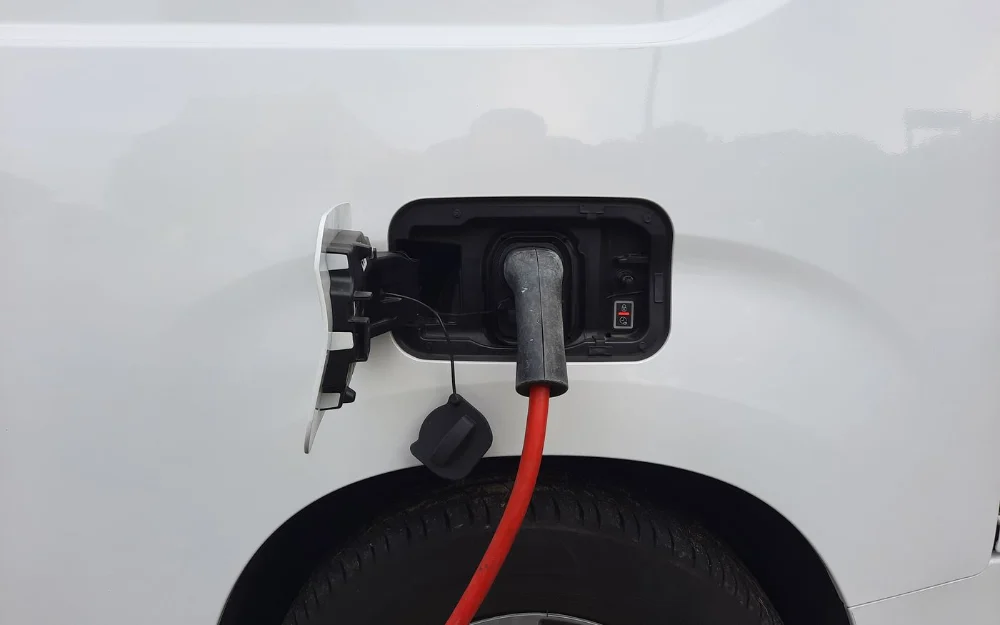
A home EV charger costs £750 to £1,500 fully installed in the UK in 2026, with most 7.4kW smart units landing between £800 and £1,100. Charging at home on an overnight EV tariff costs around 7.5p per kWh against 65p to 79p at a public rapid charger, which is where the unit pays for itself.
Prices in this table come live from Amazon and can change through the day. Prices quoted in the text were checked by Look Into on 9 April 2026, so the two can differ.



As an Amazon Associate I earn from qualifying purchases. (paid link)
Prices and specs last checked by Look Into on 9 April 2026 · how we picked
Which home EV chargers are worth buying in 2026?
Six home EV chargers dominate UK installs. Prices below are typical installed costs including a standard fit, checked against manufacturer and installer listings in August 2026.
| Charger | Power | Cable | Smart features | Price installed |
|---|---|---|---|---|
| Ohme Home Pro | 7.4kW | Tethered 5m | Smart tariff, solar, app | £850 – £1,100 |
| myenergi Zappi V2.1 | 7.4kW | Tethered or untethered | Solar divert, app, eco modes | £900 – £1,200 |
| Wallbox Pulsar Plus | 7.4kW | Tethered 5m | App, power sharing | £750 – £950 |
| Easee One | 7.4kW | Untethered | Load balancing, app | £800 – £1,050 |
| Pod Point Solo 3 | 7.4kW | Untethered | App, Tesco Clubcard | £800 – £1,000 |
| Andersen A3 | 7.4kW | Tethered or untethered | App, premium design | £1,100 – £1,500 |
The six chargers reviewed
1. Ohme Home Pro – best overall
The Ohme Home Pro is the home EV charger to buy if you are on a time-of-use tariff. It talks directly to Octopus Go, Intelligent Octopus and similar tariffs and shifts charging into the cheap window without you scheduling anything. Paired with solar panels it will divert excess generation to the car, and it supports OCPP so it is not orphaned if you switch energy supplier.
Pros
- Automatic cheap-rate charging on Octopus, OVO and similar
- Solar diversion built in
- Compact, unobtrusive design
- Three-year warranty
Cons
- Tethered only, so you cannot use your own cable
- Smart features need Wi-Fi
- No built-in energy meter
2. myenergi Zappi V2.1 – best for solar owners
The Zappi is the charger solar owners buy, and the reason is its three charging modes. Fast uses the grid, Eco blends solar with grid, and Eco+ waits for surplus generation and charges on solar alone. No other mainstream UK charger matches that level of solar control. It is built in the UK and works alongside myenergi’s Eddi and Harvi units.
Pros
- Best-in-class solar diversion, three modes
- Available tethered or untethered
- Built-in energy meter
- Made in the UK
Cons
- The most expensive of the mainstream options
- App is functional rather than polished
- Solar features need a CT clamp or a Harvi sensor
3. Wallbox Pulsar Plus – best budget smart charger
The Wallbox Pulsar Plus is the cheapest charger here that is still properly smart. The app handles scheduling and consumption tracking, and power sharing lets two units split a supply if you run two EVs. It is the smallest unit of the six, which matters on a narrow porch or a shared wall.
Pros
- Lowest installed price for a smart unit
- Compact and light
- Power sharing across two chargers
- Scheduling built into the app
Cons
- No solar diversion
- Tethered only
- Support response times are a common complaint
4. Easee One – best for multi-car and tight supplies
The Easee One is an untethered 7.4kW charger with dynamic load balancing, which throttles the car’s draw when the rest of the house is pulling hard. That makes it the sensible pick on an older or already-loaded supply, and it is the smallest wall footprint of the untethered units.
5. Pod Point Solo 3 – the safe default
The Pod Point Solo 3 is the untethered charger most UK installers will offer by default. Smart features are basic next to the Ohme, but the unit is well supported, widely fitted, and collects Tesco Clubcard points on public Pod Point charging.
6. Andersen A3 – if the charger has to look good
The Andersen A3 costs £300 to £500 more than equivalent units and buys you a hidden cable and a choice of wood or painted fascias. Functionally it is a 7.4kW smart charger like the rest; you are paying for how it looks on a front elevation.
Tethered or untethered: which should you choose?
A tethered EV charger has the cable permanently attached; an untethered one has a socket and you supply your own Type 2 cable. Tethered suits a single car on a driveway, untethered suits households with more than one EV or a shared parking area.
| Feature | Tethered | Untethered |
|---|---|---|
| Cable | Permanently attached | Bring your own Type 2 cable |
| Convenience | Plug in and go | Connect the cable each time |
| Flexibility | One cable length only | Any cable length you like |
| Tidiness | Cable always on show | Cleaner wall when not charging |
| Best for | Single-car households | Multiple EVs or shared parking |
Is there still a grant for a home EV charger?
Home EV charger grants are worth 75% of the cost, up to £500 per socket, but not to most homeowners. The rate rose from £350 to £500 on 1 April 2026. The grant covers flat owners and renters with off-street parking, households that need a cross-pavement gully because they park on the street, and residential landlords, with a parallel workplace scheme at the same £500 rate.
What does charging at home actually cost?
Charging an EV at home costs roughly £190 a year on an overnight EV tariff against £1,600 to £2,000 on public rapid chargers, assuming 10,000 miles. Figures use a 3.5 miles per kWh average and the tariff rates below.
| Charging method | Cost per kWh | Per 200 miles | Annual, 10,000 miles |
|---|---|---|---|
| Public rapid charger | 65–79p | £32–£40 | £1,600–£2,000 |
| Home charger, standard tariff | 28p | £14 | £700 |
| Home charger, overnight EV tariff | 7.5p | £3.75 | £190 |
| Home charger, surplus solar | 0p | £0 | £0 |
Frequently asked questions about home EV chargers
Can I charge an EV from a normal three-pin plug?
You can charge an EV from a three-pin socket using a granny cable, but it is slow, at eight to twelve hours for a partial charge, and it is not suited to daily use because it loads older wiring for long periods. A dedicated 7.4kW home charger is three to four times faster.
Do I need a new consumer unit to fit a home charger?
Often not. The installer checks whether your existing board has a spare way and enough capacity. A very old board, roughly pre-2006, may need replacing at £300 to £600 as part of the job.
How long does a home charger installation take?
A standard home charger installation takes two to four hours. Long cable runs or a consumer unit upgrade can make it a full day. Your installer notifies the DNO as part of the process.
Before you get charger quotes
What to send installers, what actually moves the price, and how to compare what comes back.