
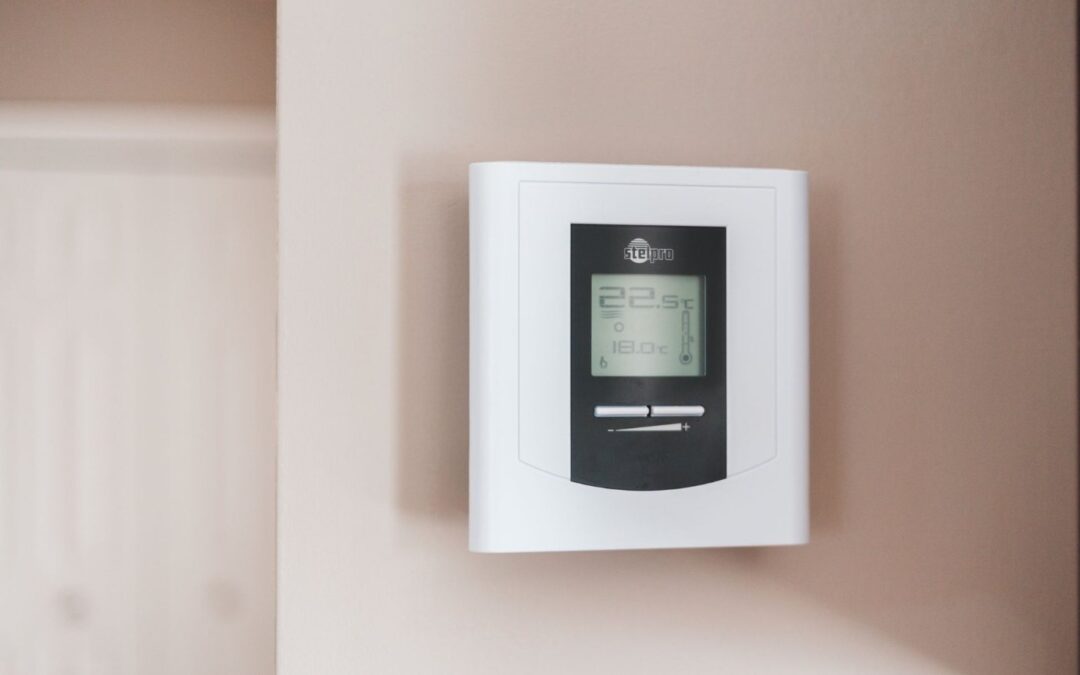
The short answer (checked 28 October 2026)
- Every plug-in or wired electric heater turns a unit of electricity into a unit of heat. At the 26.32p per kWh cap, a 1kW heater running flat out costs 26.3p an hour and a 2kW one costs 52.6p, whatever the brand or the technology.
- What does differ is the controls: how well the thermostat and timer stop the heater running when you do not need it. That, and the price per kilowatt of heat, is what we ranked on.
- Lowest price per kilowatt with a stated two-year warranty: the Futura 2000W panel heater, at £45 per kW on 28 October 2026.
- The audit finding: all 16 unsponsored Amazon UK listings for wall-mounted electric radiators use "efficient" or "eco" language, and 10 claim lower energy costs. None states what the heater costs to run per hour. Two call themselves "low energy" heaters, one of them a 2,000W model.
Electric radiators and panel heaters are sold almost entirely on running cost. The listings say "energy efficient", "eco mode", "reduce energy costs" and "cheaper running costs". Some infrared panels claim they can cut bills by half. The physics behind all of these claims is the same, and it leaves much less room for difference than the marketing suggests.
This guide is for fixed or wall-mounted electric heating: a flat with no gas, an extension, a garden room, or replacing old storage heaters. If you want a portable heater to move between rooms, our electric heaters guide ranks those by cost per hour.
Prices in this table come from Amazon and are refreshed at least once a day, with the date of the last update under the table. The cost-per-use and running-cost figures on this page use prices Look Into read on 28 October 2026, so they can differ from today's price.



As an Amazon Associate, Look Into earns from qualifying purchases. Product prices and availability are accurate as of 28 October 2026 and are subject to change.
Prices and specs last checked by Look Into on 28 October 2026 · next check 23 December 2026 · how we picked
Why every electric heater costs the same per unit of heat
A direct electric heater, whether it is an oil-filled radiator, a ceramic panel, a glass panel, a convector or an infrared panel, passes current through a resistance. All of the electricity it uses ends up as heat in the room. A small amount goes on the display and the fan, if it has one, and that ends up as heat too. So 1kWh of electricity gives about 1kWh of heat, and the cost of that heat is simply the electricity price.
This has been tested in advertising law. In a ruling dated 8 August 2018, the Advertising Standards Authority did not uphold a complaint against Electrorad Ltd. Electrorad had told customers its radiators would "use exactly the same energy and cost exactly the same to run" as a rival brand's. In its evidence, Electrorad said the government's Standard Assessment Procedure (SAP 2012), used to produce Energy Performance Certificates, recognised all direct-acting electric heaters as 100% efficient.
| Heater output | Per hour at full power | Four-hour evening at full power |
|---|---|---|
| 180W (under-desk panel) | 4.7p | 19p |
| 600W | 15.8p | 63p |
| 1kW | 26.3p | £1.05 |
| 1.5kW | 39.5p | £1.58 |
| 2kW | 52.6p | £2.11 |
These are worst-case figures. Once a room reaches the thermostat setting, the heater only runs as much as it needs to replace heat leaking out of the room. A well-insulated room might need a 2kW heater for a fraction of each hour, and a draughty one might need it nearly all the time. That is a property of the room, not the heater.
To compare with other heating at the same cap: gas at 7.97p per kWh through a 90% efficient boiler costs about 8.86p per kWh of heat, and a heat pump with a seasonal performance of 2.8 would cost about 9.40p. Direct electric heat at 26.32p costs about three times as much as gas. Our heat pump vs gas boiler page works through the alternatives.
What does differ: controls, and what the law requires
If the heat per unit is fixed, the only way a heater can cost less to run is by running less. That is a job for the thermostat, the timer and features like open-window detection, which cuts the heat when it senses a sudden temperature drop.
The ecodesign rules for local space heaters, Commission Regulation (EU) 2015/1188 as retained in Great Britain, are built on exactly this point. From 1 January 2018, fixed electric heaters over 250W must reach a "seasonal space heating energy efficiency" of at least 38%. The calculation in Annex III multiplies electricity use by a conversion coefficient of 2.5, then adds credits for controls. For a fixed electric heater, an electronic room thermostat with a week timer is worth 7 percentage points. Open-window detection, a distance-control option and adaptive start are each worth 1 more. Under this rule, better heaters are not more efficient at making heat. They are better at not wasting it.
What the listings claim
We read every unsponsored result on the first Amazon UK results page for "electric radiator wall mounted" on 28 October 2026, which came to 16 listings. We also read the 16 unsponsored results for "infrared panel heater". We counted claims in the title, the About this item bullets, the description, the brand content and the specification tables.
- 16 of 16 wall-radiator listings use "efficient", "energy efficient" or "eco" language.
- 10 of 16 claim the heater reduces energy costs, energy use or waste.
- 2 of 16 describe themselves as "low energy" heaters, one of them a 2,000W model.
- 0 of 16 state a running cost per hour.
- 8 of 16 mention Lot 20 or ErP compliance, the ecodesign rule above.
- Among the infrared listings, 1 of 16 says infrared "can reduce energy bills by up to 50% in some cases", with no basis given. A second listing's "up to 50%" turned out to refer to purchase cost, so we did not count it.
A fair reading of the "reduce energy costs" claims is that a heater with a good thermostat and timer wastes less than one without. That is true, and it is the reason to pay for controls. What none of these listings can honestly claim is that their heater makes heat more cheaply than another electric heater of the same wattage.
Infrared panels: comfort, not cheaper heat
An infrared panel warms people and surfaces it faces directly rather than heating the air first, which is why a 180W under-desk panel can make one person feel warm at 4.7p an hour. That is a real saving if you heat one person in a cold room rather than the whole room. It is the same logic as an electric blanket or a heated gilet. It is not a cheaper unit of heat. Per kilowatt hour, an infrared panel costs exactly what a convector or oil-filled radiator costs. The panels we found also cost far more per kilowatt to buy.
How we made this guide
Running cost per kilowatt is identical, so we ranked on what you pay to buy each kilowatt of heat output and on the controls and warranty you get for it. Price per kW is the price we read on the product page on 28 October 2026 divided by the rated output. We opened every listing that day to read the stated output, controls, warranty and stock. Look Into has not handled or tested these heaters. Controls and warranties are as each listing states them.
| Heater | Output | Price per kW | Controls stated | Warranty stated |
|---|---|---|---|---|
| DMD Collective smart heater | 2,000W | £33 | Wi-Fi app | Not stated |
| Futura panel heater | 2,000W | £45 | Open-window detection, 24-hour countdown timer | 2 years |
| Devola smart glass panel | 2,000W | £53 | Electronic thermostat, Wi-Fi, 24-hour timer, open-window detection, Lot 20 | 1 year |
| MYLEK Wi-Fi panel heater | 2,000W | £65 | 24/7 programmable timer, Wi-Fi, open-window detection, Lot 20 | 2 years |
| Purus panel heater | 600W | £117 | Open-window detection, 24-hour countdown timer, IP24 | 2 years |
| Knighaus infrared heater | 600W | £250 | Programmable thermostat, Wi-Fi, IP44 | Not stated |
The six we would look at
Futura 2000W Electric Panel Heater
Price: check the live price on Amazon · £45 per kW on 28 October 2026 · 52.6p an hour at full power
The lowest price per kilowatt among the heaters with a stated two-year warranty. It has open-window detection and is rated IP24 against splashing water. For a straightforward wall heater in a room you use every evening, it covers the basics for less.
The catch: the listing describes a 24-hour countdown timer and does not mention weekly programming. A timer that only counts down cannot switch the heat on before you get home. That is the control that saves the most money on a heater used to a routine.
Check price on Amazon →MYLEK 2000W Wi-Fi Panel Heater
Price: check the live price on Amazon · £65 per kW on 28 October 2026 · 52.6p an hour at full power
A 24/7 programmable timer, an app, open-window detection and a stated two-year warranty. The listing also names Lot 20 compliance. This is the set of controls the ecodesign rules reward, because a heater that switches itself on at 6pm and off at 10pm runs fewer hours than one you remember to turn off.
The catch: you pay about 44% more per kilowatt than the Futura for the controls. That only pays back if you use the scheduling. Like every listing here, its "reduce unnecessary energy consumption" wording is about running less, not about cheaper heat.
Check price on Amazon →Devola 2000W Smart Electric Glass Panel Heater
Price: check the live price on Amazon · £53 per kW on 28 October 2026 · 52.6p an hour at full power
More than 400 bought in the past month, the most of any wall heater in the search. It has an electronic thermostat, Wi-Fi, a 24-hour timer, open-window detection and an IP24 rating, and the listing states Lot 20 compliance. A 1,500W version sold alongside it was also in the results.
The catch: the listing states a one-year warranty, half that of the Futura and MYLEK. Its headline "reduce energy costs" claim rests on the thermostat and timer, not on the glass panel.
Check price on Amazon →DMD Collective 2000W Smart Electric Heater
Price: check the live price on Amazon · £33 per kW on 28 October 2026 · 52.6p an hour at full power
The cheapest way into 2kW of wall-mounted electric heat in the search, with Wi-Fi app control. Because every 2kW heater makes the same heat for the same money, the lowest purchase price is a real saving.
The catch: the listing states no warranty and does not mention open-window detection, both of which the dearer heaters here put in writing.
Check price on Amazon →Purus 600W Electric Panel Heater
Price: check the live price on Amazon · £117 per kW on 28 October 2026 · 15.8p an hour at full power
A 600W panel for a cloakroom, a box room or a small bathroom, rated IP24 against splashing water, with open-window detection and a stated two-year warranty. At full power it costs less than a third of a 2kW heater, because it gives less than a third of the heat.
The catch: small heaters cost much more per kilowatt to buy. This one costs more than twice as much per kW as the Futura. Like the Futura, it describes a 24-hour countdown timer, not weekly programming.
Check price on Amazon →Knighaus 600W Smart Dual Infrared Heater
Price: check the live price on Amazon · £250 per kW on 28 October 2026 · 15.8p an hour at full power
A wall or floor infrared panel with a programmable thermostat, an app and an IP44 rating. If you want to warm the people at a desk or on a sofa, rather than bring a whole room up to temperature, radiant heat suits that job.
The catch: it costs more than seven times as much per kilowatt as the cheapest heater here, and its heat costs exactly the same per unit. We found no warranty statement on the listing.
Check price on Amazon →How big a heater, and what really cuts the bill
- Buy the output the room needs, not the most you can get. An oversized heater does not cost more per unit of heat, but a heater that is too small will run flat out and still leave the room cold.
- Use a weekly schedule, so the heat comes on shortly before you need it and goes off when you leave. That is where the "energy saving" in these listings actually comes from.
- Fix the room before the heater. Draughts and single glazing decide how long any heater has to run. Our draught proofing payback guide ranks the cheapest fixes.
- Heat the person if you only need one person warm. An electric blanket or heated throw costs a few pence an evening. Our electric blanket vs heater page has the figures.
Questions people ask
Are electric radiators expensive to run?
Per unit of heat, yes compared with gas. At the October to December 2026 cap, electric heat costs 26.32p per kWh against about 8.86p from a 90% efficient gas boiler. A 2kW electric radiator running flat out costs 52.6p an hour. With a thermostat holding a room at temperature it runs for less of each hour.
Are infrared panels cheaper to run than electric radiators?
Not per unit of heat. Both turn each kWh of electricity into a kWh of heat. Infrared can feel warmer for less power when you are sitting in front of it, because it heats you rather than the air. That only saves money if you would otherwise heat the whole room.
Is an oil-filled radiator cheaper than a panel heater?
No. Oil holds heat and releases it more slowly after the element switches off, which some people find more comfortable, but it does not create extra heat. A 1kW oil-filled radiator and a 1kW panel heater use the same electricity for the same heat.
What does Lot 20 mean on a heater listing?
It refers to the ecodesign rules for local space heaters, Regulation (EU) 2015/1188 as retained in Great Britain. Fixed electric heaters over 250W must reach a 38% seasonal efficiency score. That score rewards controls such as electronic thermostats, week timers and open-window detection, not a more efficient heating element.
Related reading
- Best electric heaters UK 2026: ranked by what they cost to run
- Oil filled radiator vs fan heater: which is cheaper to run?
- Best smart thermostats UK 2026
- What everything in your home costs to run
Sources
- Advertising Standards Authority, ruling on Electrorad Ltd, 8 August 2018, read 28 October 2026. Complaint about "exactly the same energy" claims not upheld.
- Commission Regulation (EU) 2015/1188, Annex II (38% minimum for fixed electric local space heaters above 250W, from 1 January 2018) and Annex III (conversion coefficient 2.5, control correction factors), read 28 October 2026.
- Look Into, Energy price cap October 2026: electricity 26.32p and gas 7.97p per kWh, 1 October to 31 December 2026.
- Amazon.co.uk search results for "electric radiator wall mounted" and "infrared panel heater", 16 unsponsored results each, with every product page read on 28 October 2026.
Look Into is an Amazon Associate and earns from qualifying purchases. That does not change which products we pick or what we say about them. The comparison table above pulls live prices from Amazon. The price-per-kW figures use prices read on 28 October 2026, so they can differ from today's price.